Crochet Cable Sweater Guide: Cozy Textured Fall Pullover
By Lara Yanki · September 28, 2026 · Updated October 4, 2026 · in Wearables
Crochet cables use raised stitches to create crossing lines.
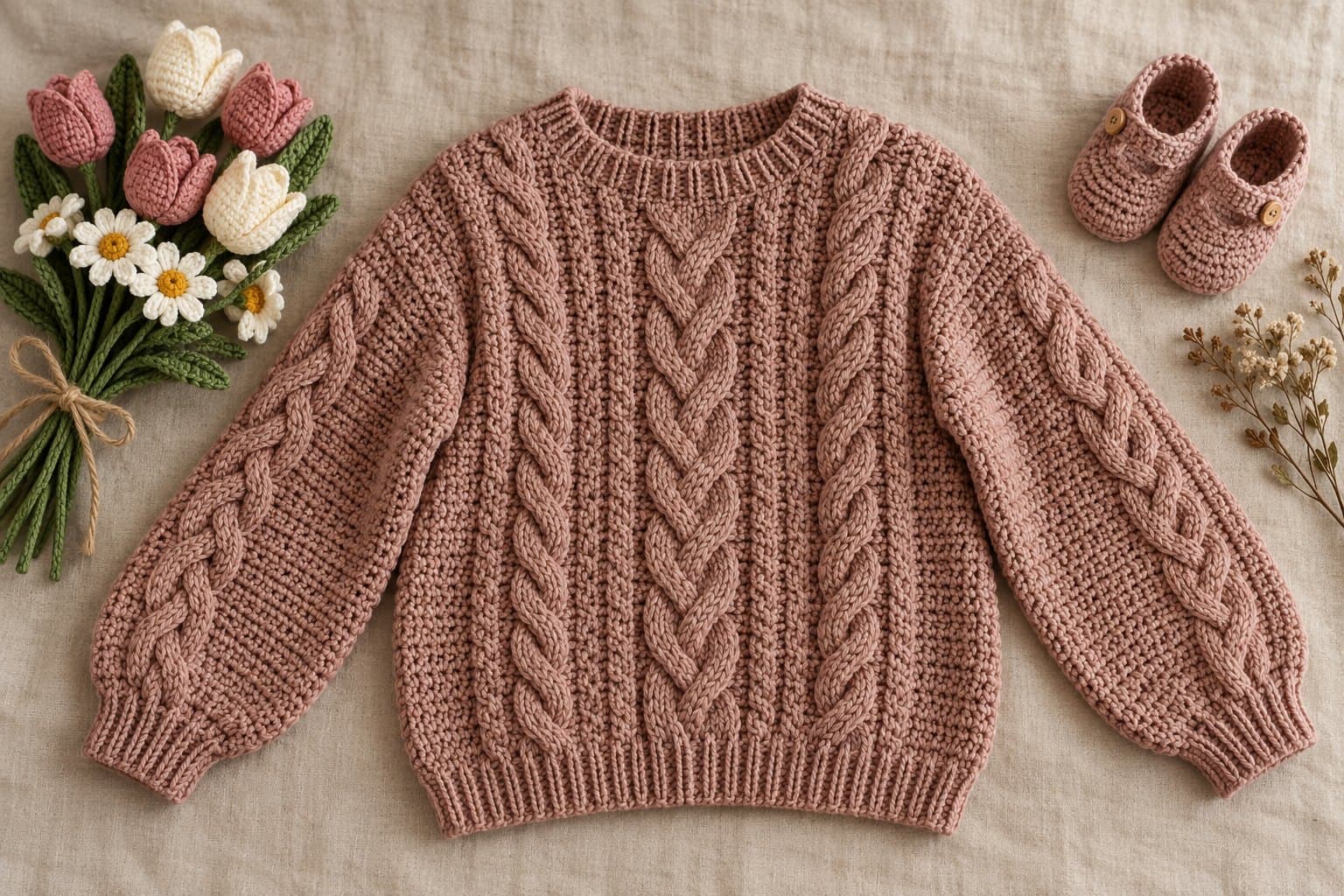
AI-generated illustration. Your finished project may look different.
Design guide: This article explains construction and styling choices. It is not a complete stitch-by-stitch pattern; use a numbered pattern suited to your measurements when making the project.
Crochet cables use raised stitches to create crossing lines. Those crossings consume yarn and can draw the fabric inward, so a plain-stitch gauge sample cannot predict the size of a cable sweater. Use a graded cable pattern with a stitch chart and make your sample in its actual cable repeat.
Read One Repeat Before Starting
Identify the background stitches, the post stitches and the crossing rows. Mark which stitches are skipped temporarily and which are worked later. Practice the crossing on a small sample so the order is clear before a large panel is on the hook.
Keep the Crossing Loose Enough
Long post stitches need enough length to reach their destination without pulling the row downward. Keep the background tension steady and avoid tightening the final loop of a crossing. Inspect the sample from the front and back for missed stitches or an unintended twist.
Measure After Washing
Block the sample gently, preserving the raised texture. Measure across complete repeats and compare with the pattern gauge. Adjust the hook and repeat the sample if necessary. Allow for the fabric's thickness when choosing ease and planning layers underneath.
Align Panels and Sleeves
Track every row and mark the same reference point on matching panels. Before seaming, check that cable crossings line up at the intended height. Shape the neckline and armholes exactly as the graded pattern directs; changing a cable repeat can alter both width and shaping.
Keep seams flat and weave ends into the background fabric where possible. For a garment with simpler modular sections, see the patchwork vest guide.
More in Wearables
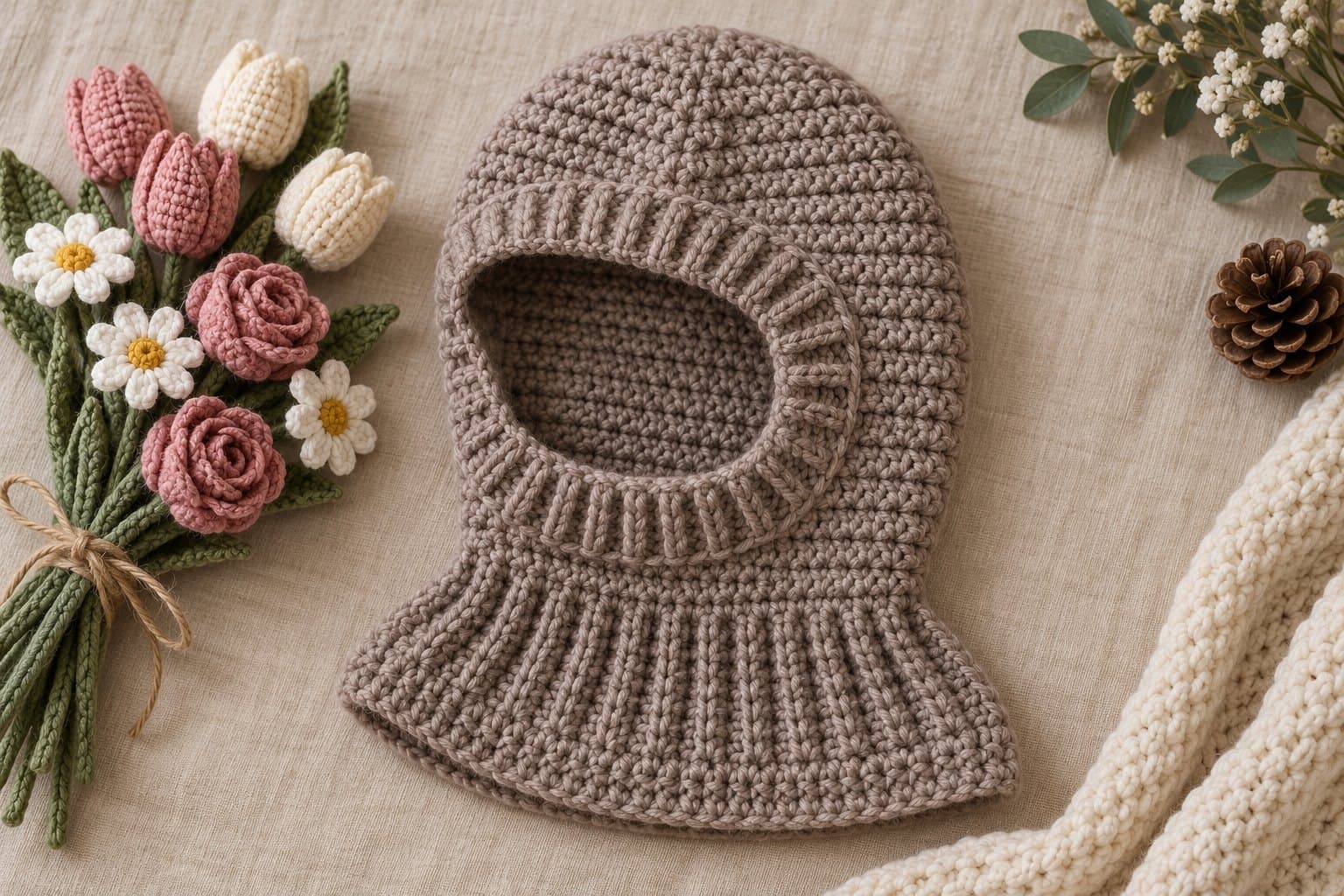
Crochet Balaclava Guide: Modern Winter Hood for Beginners
A balaclava needs a clear face opening, comfortable neck coverage and enough room around the crown.
2 min read
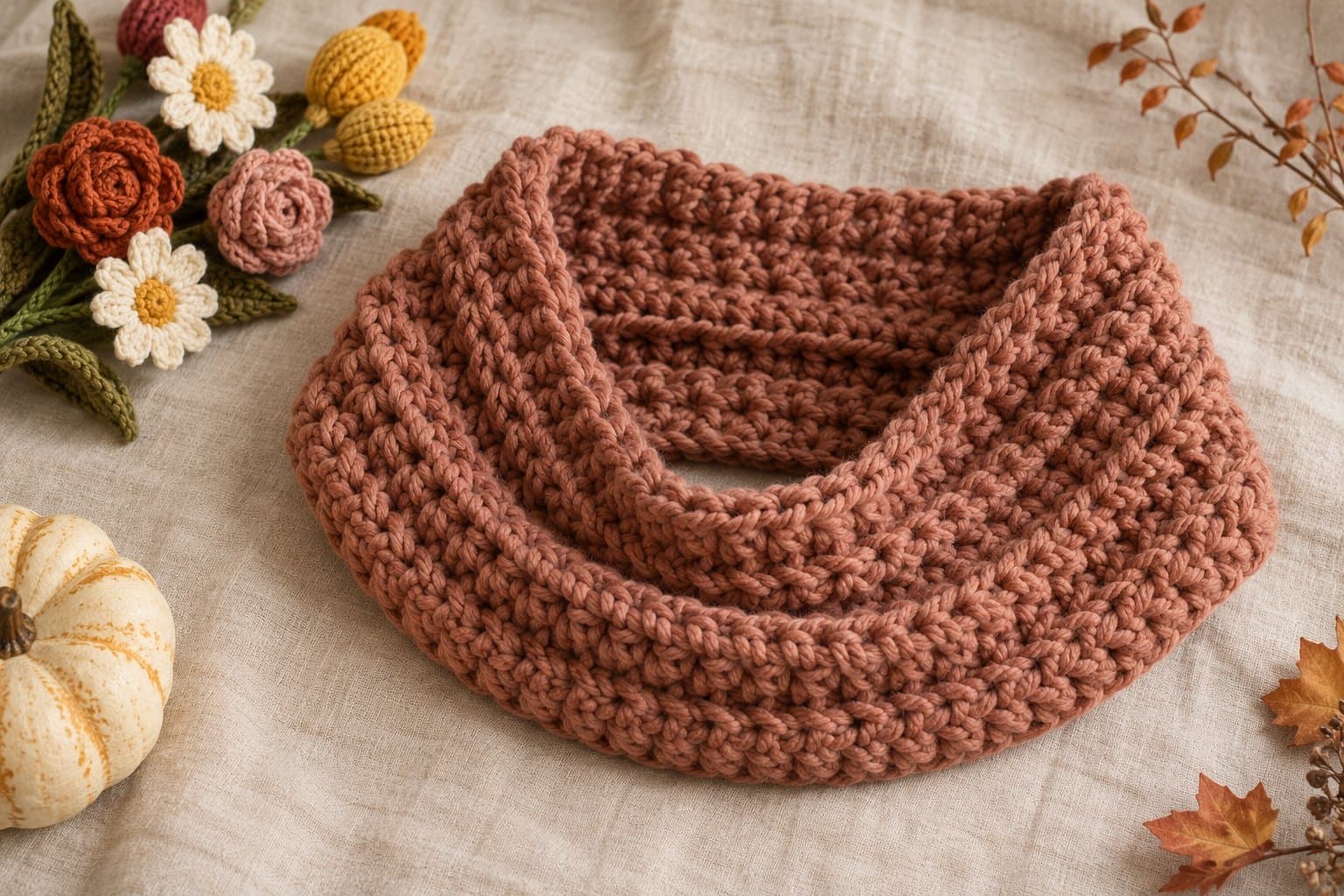
Crochet Cowl Guide for Beginners: Cozy Fall Accessory
A beginner cowl can be made from a ribbed rectangle joined into a loop.
2 min read
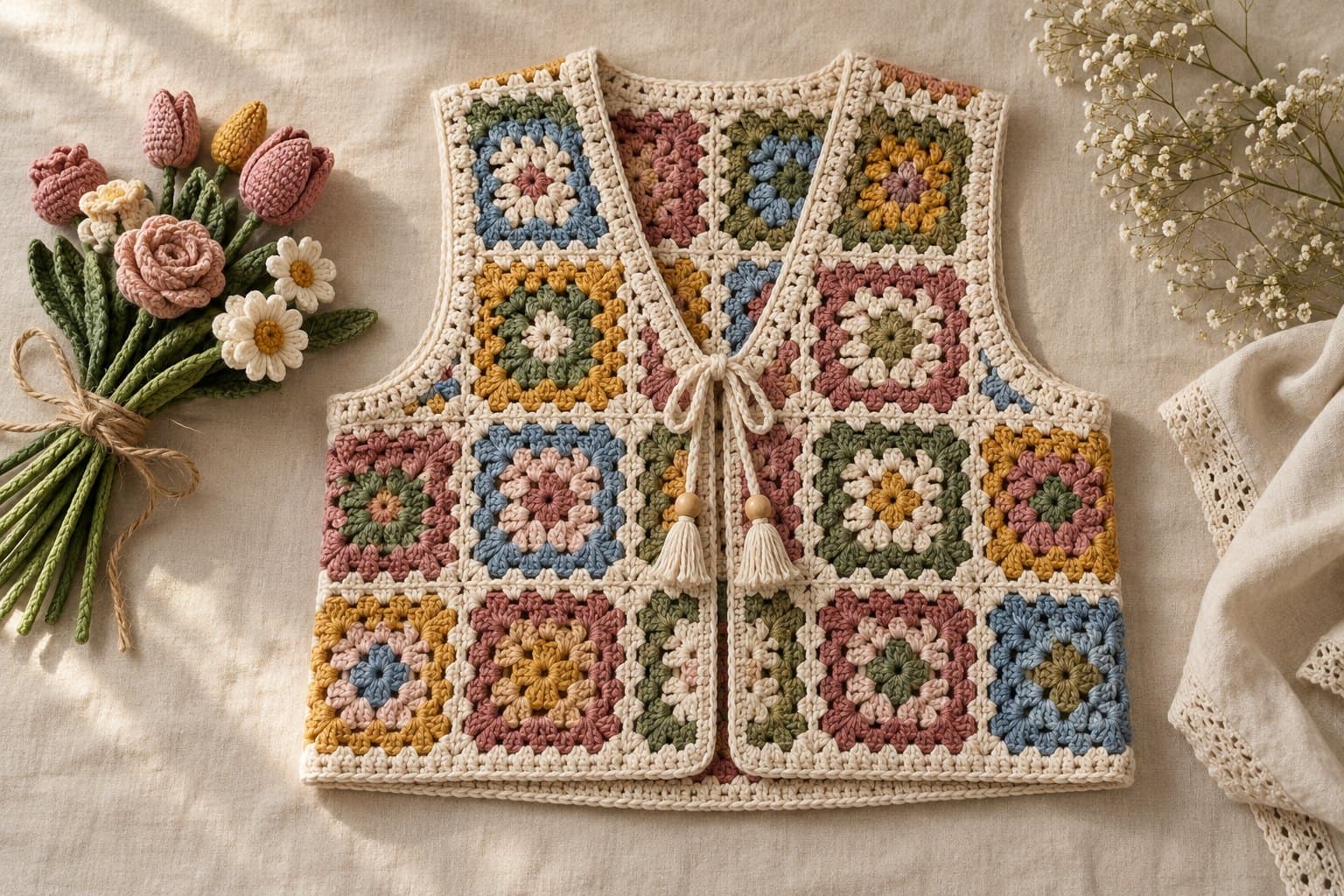
Crochet Granny Square Vest Guide: Modern Layering Piece
A granny-square vest is a layout project as much as a crochet project.
2 min read