Crochet Baby Loafers: Classic Handmade Shoes — Design Guide
By Lara Yanki · September 24, 2026 · Updated October 4, 2026 · in Wearables
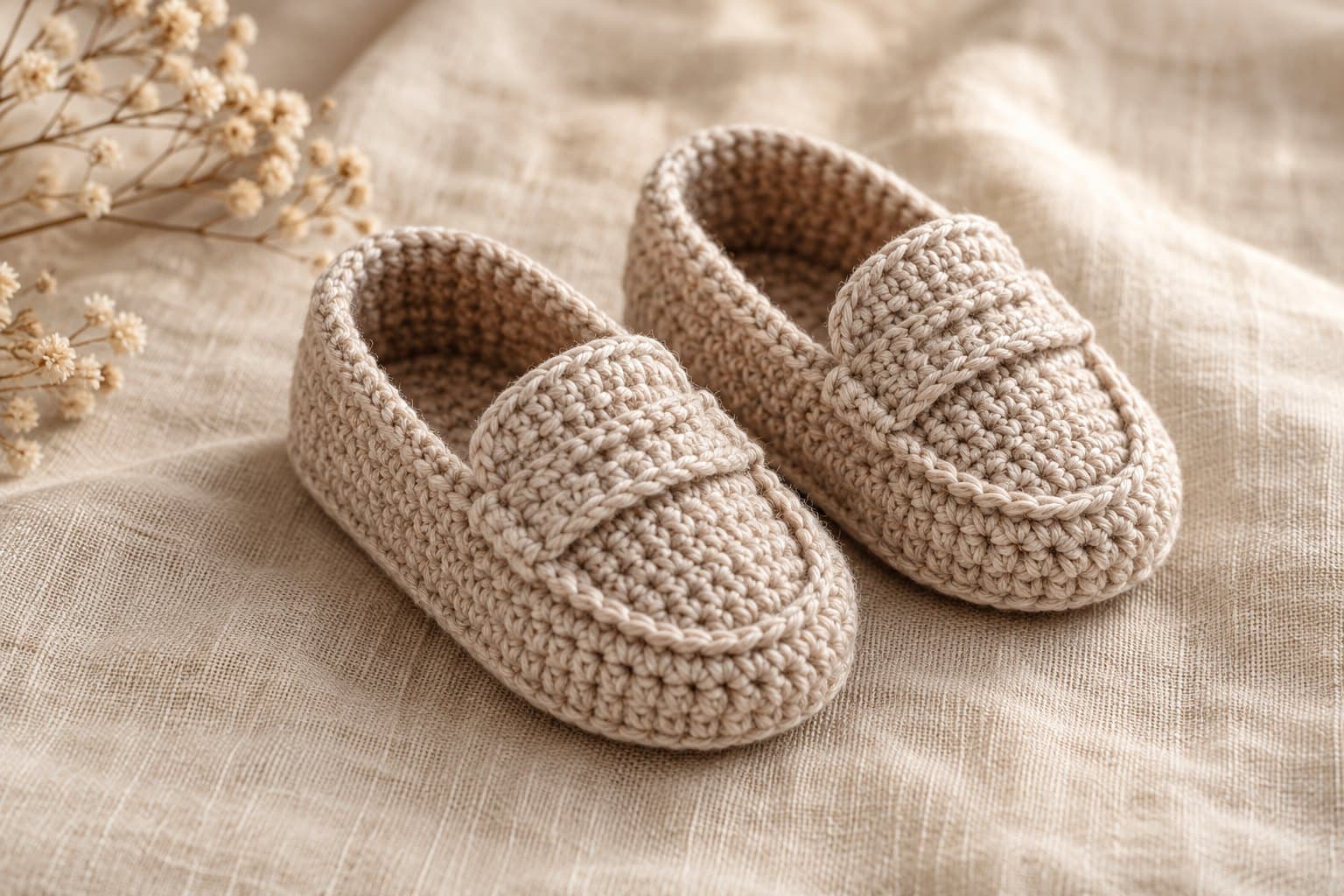
A crochet loafer has a low opening, a broad toe and a band across the upper.
AI-generated illustration. Your finished project may look different.
Design guide: This article explains construction and styling choices. It is not a complete stitch-by-stitch pattern; use a numbered pattern suited to your measurements when making the project.
A crochet loafer has a low opening, a broad toe and a band across the upper. Its appeal comes from a clean outline rather than bulky decoration. Use a fitted slipper base as the starting point; this guide explains the loafer details without prescribing untested size-specific counts.
Plan the Low Upper
A sole worked in DK yarn can keep the shoe light. After completing the sole, build a shallow sidewall and mark the front section for the vamp, the panel covering the top of the foot. Keep the heel high enough to support the shoe without turning the design into an ankle boot.
Shape the vamp gradually over the toe. It should sit smoothly over the sidewall, with a usable opening behind it. If the toe looks pointed or puckered, check whether the shaping is concentrated in too few stitches.
Add a Flat Loafer Band
Crochet a narrow strip long enough to cross the vamp without pulling it inward. Sew its ends to the sides of the upper and secure the middle lightly if it lifts away. A contrast edging can suggest a traditional loafer seam, but keep it soft and flat.
Do not add metal buckles or rigid decorative pieces. A stitched line or small crochet strip gives the same visual emphasis with less weight.
Check the Heel and Opening
The low opening is the main fitting challenge. A loose heel may let the shoe slip off; making the whole opening smaller can make it difficult to put on. Adjust the heel section of your base pattern while preserving enough room across the instep.
Compare both shoes before sewing on the bands. For footwear with a more obvious closure, explore Mary Jane shoes.
More in Wearables
Crochet Balaclava Guide: Modern Winter Hood for Beginners
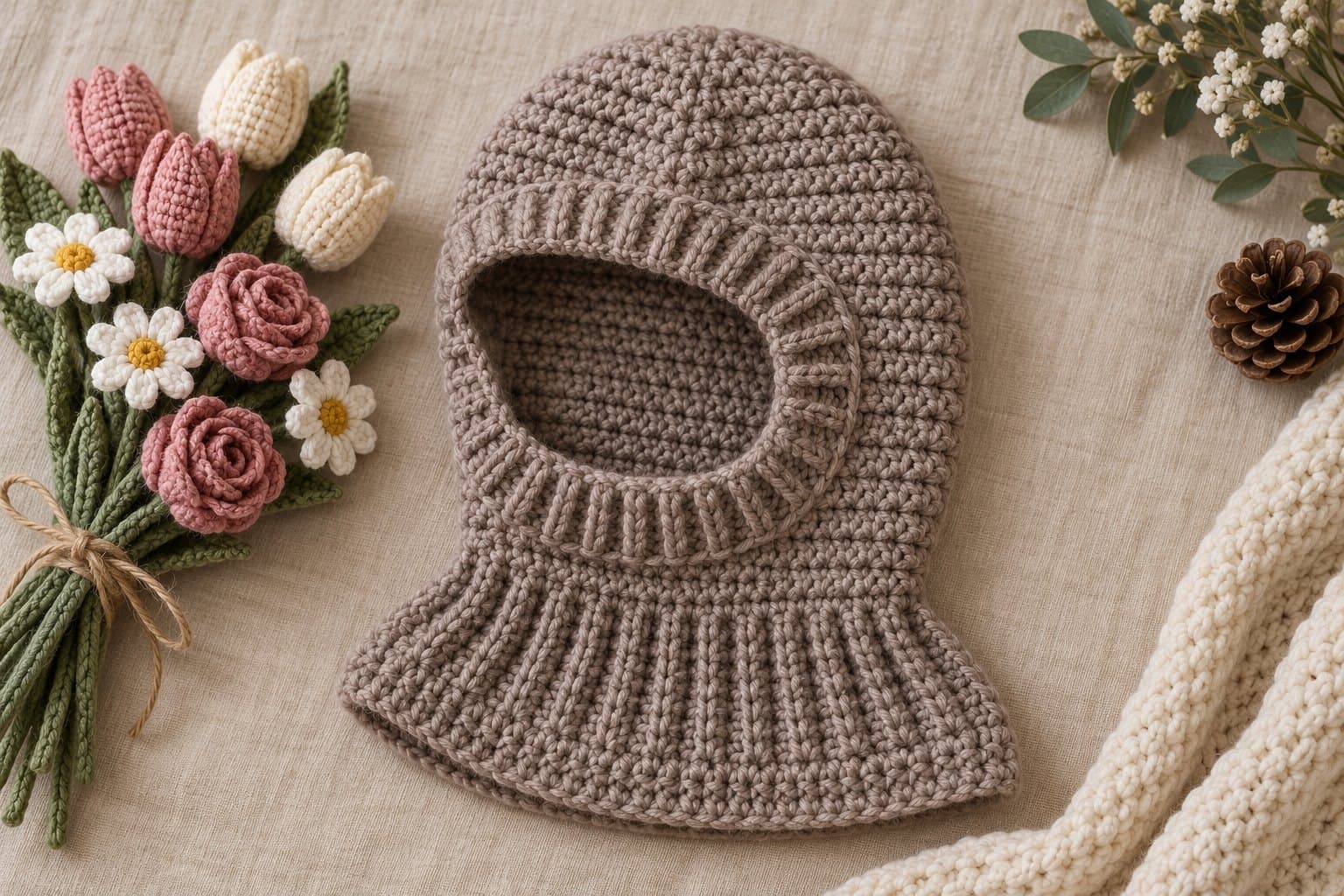
A balaclava needs a clear face opening, comfortable neck coverage and enough room around the crown.
2 min read
Crochet Cable Sweater Guide: Cozy Textured Fall Pullover
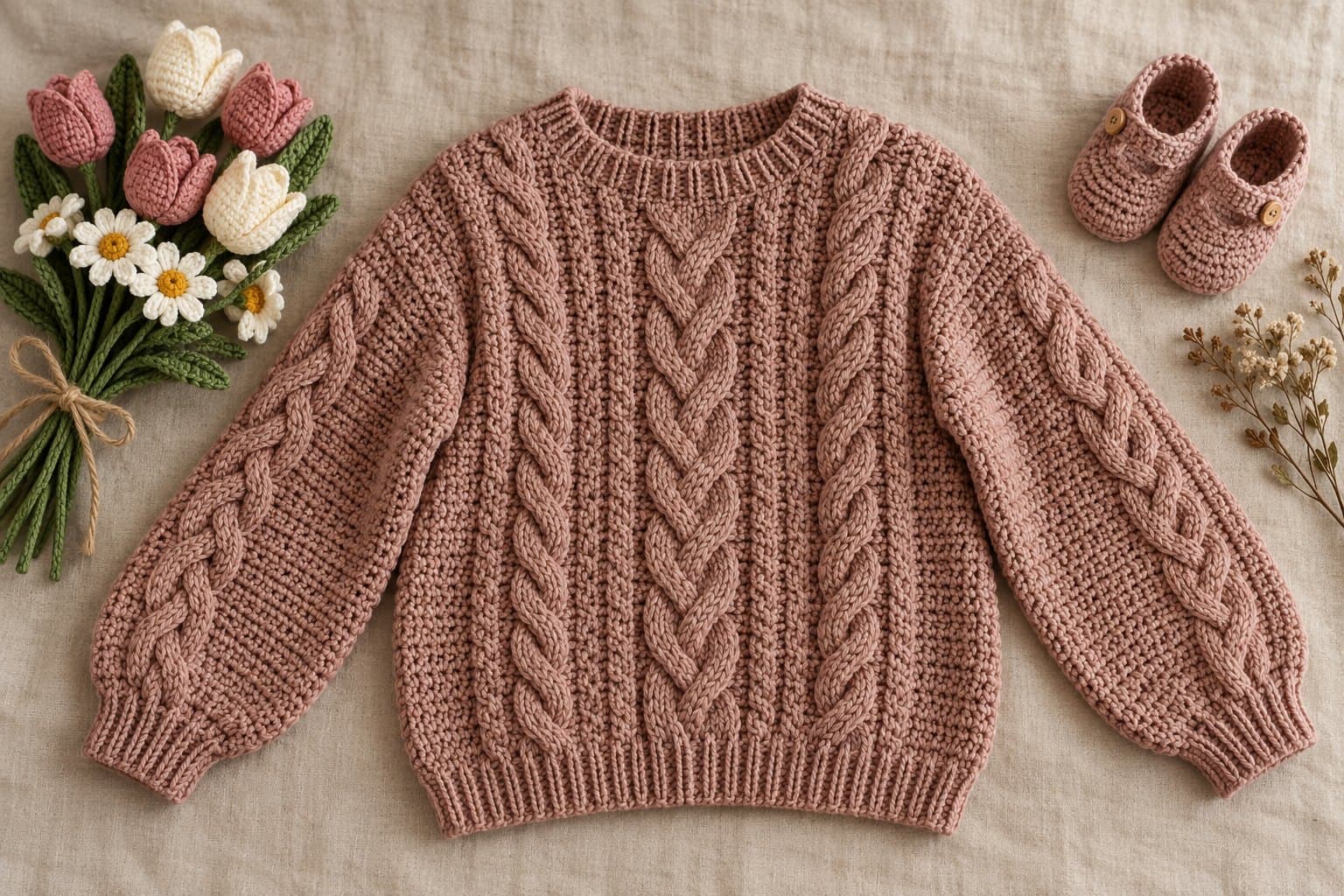
Crochet cables use raised stitches to create crossing lines.
2 min read
Crochet Cowl Guide for Beginners: Cozy Fall Accessory
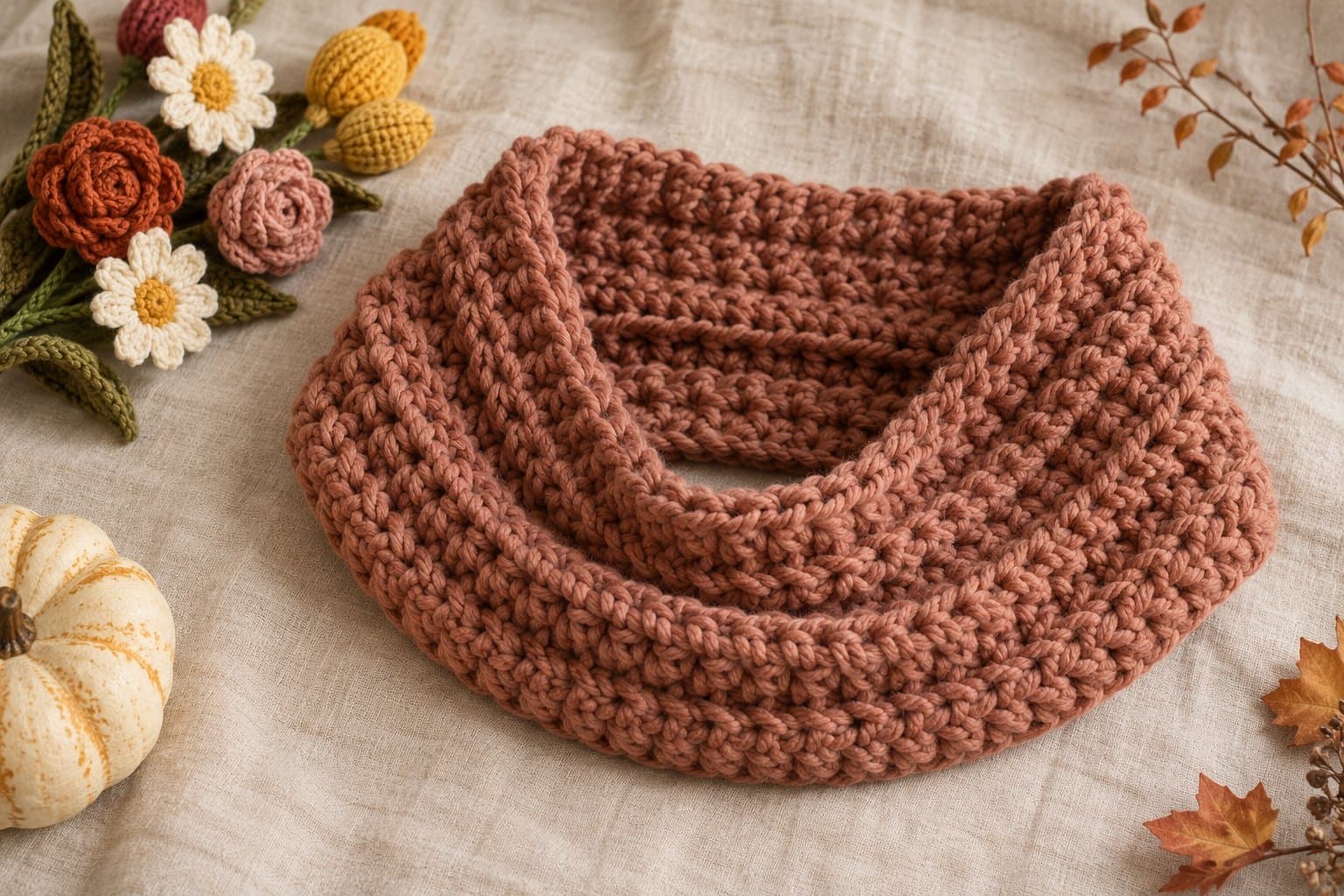
A beginner cowl can be made from a ribbed rectangle joined into a loop.
2 min read